
Whittle Seasmash Repairs
Whittlesea Smash Repairs

What to Do After a Car Accident?

A car accident can quickly turn a routine drive into a stressful and confusing situation. Knowing what to do after a car accident in Australia helps you stay calm, protect your safety, and take the right steps from the very beginning. Even a minor car accident can involve legal responsibilities, insurance requirements, and decisions that affect how smoothly the situation is resolved.
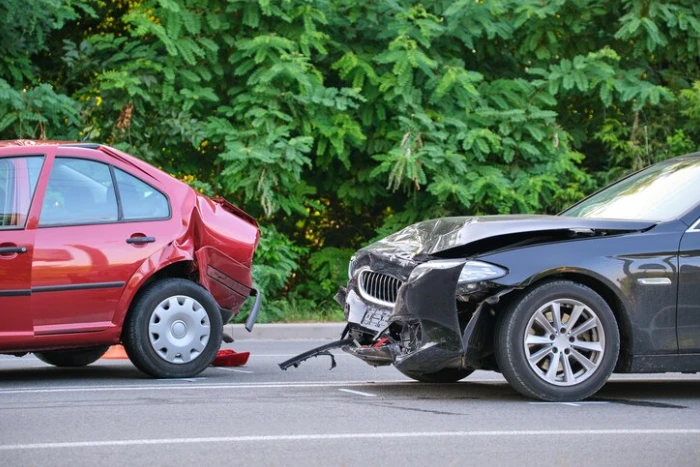
This guide explains what to do after a car crash, from immediate safety steps to handling insurance and repairs. Whether the accident is minor, not your fault, or occurs in Victoria, understanding the process in advance can reduce stress, prevent costly mistakes, and help ensure everything is managed correctly from start to finish.
What to Do After a Car Accident?

1. Ensure Safety First

Your safety and the safety of others should always be the top priority.

  • Stop your vehicle immediately
  • Turn on hazard lights
  • Check yourself and passengers for injuries
  • Call 000 if anyone is injured or in danger
If it’s safe to do so, move vehicles out of traffic to prevent further accidents.

2. Call Emergency Services If Required

In Australia, you should contact emergency services if:

  • Someone is injured or trapped
  • There is major vehicle damage
  • The road is blocked or unsafe
  • The other driver leaves the scene
Police attendance may be required for serious accidents or disputes.

3. Exchange Details With the Other Driver

You are legally required to exchange details after a car accident in Australia. Make sure you collect:
  • Full name and address
  • Contact number
  • Driver’s licence number
  • Vehicle registration
  • Insurance provider (if available)
Do not argue or admit fault at the scene.

4. Gather Evidence at the Scene

Strong evidence helps with insurance claims and liability decisions.
  • Take photos of vehicle damage from multiple angles
  • Capture the road, traffic signs, skid marks, and weather conditions
  • Photograph the other vehicle’s registration plate
  • Get names and contact details of witnesses
These details are crucial when explaining what happened.

5. Report the Accident if Necessary

You should report the accident to police if:
  • There are injuries or fatalities
  • A driver refuses to provide details
  • A vehicle is stolen or damaged property is involved
Some states may require online police reports for non-urgent accidents.

6. Contact Your Insurance Provider

Notify your insurer as soon as possible, even if you are not at fault.
When lodging a claim, be ready to provide:

  • Accident details (date, time, location)
  • Photos and witness information
  • The other driver’s details
Prompt reporting helps avoid delays and complications.

7. Seek Medical Attention

Even if you feel fine, some injuries appear hours or days later.

  • See a doctor as soon as possible
  • Keep medical reports and receipts
  • Monitor symptoms such as pain, dizziness, or stiffness
Medical records may also support insurance or compensation claims.

8. Arrange Vehicle Repairs or Towing

If your car is unsafe to drive:
  • Arrange towing through your insurer or roadside assistance
  • Avoid authorising repairs until your insurer approves
  • Get repair quotes if requested
This ensures your repairs are covered correctly.

Common Mistakes to Avoid After a Car Accident

Making the wrong decisions after a crash can lead to claim delays, disputes, or unexpected costs. Being aware of common mistakes helps protect your legal rights and insurance outcome.

  • Leaving the scene too early
  • Admitting fault or apologising excessively
  • Failing to collect evidence
  • Delaying your insurance claim
  • Not seeking medical advice
Avoiding these mistakes can protect both your finances and legal position.

Need Help After a Car Accident?

Knowing the right steps after an accident is important, but having the right repair support can make all the difference. Whittlesea Smash Repairs provides trusted accident repairs in Melbourne, helping vehicle owners get back on the road safely and with confidence. To speak with our team, email [email protected] or call (03) 9716 1303 for clear advice and trusted repair support.

FAQs

What is a minor car accident?

A minor car accident usually involves low-speed impact, little to no vehicle damage, and no serious injuries. Common examples include small dents, scratches, or bumper damage where vehicles can still be driven safely.
After a minor incident, make sure everyone is safe, exchange details with the other driver, take photos of the damage, and notify your insurer. Even small accidents should be reported to avoid issues later.
Collect evidence, exchange details, and contact your insurer as soon as possible. Avoid admitting fault and allow insurers to determine liability.
Contact your insurer within 24 hours and provide accurate details, photos, and witness information to start your claim.
In Victoria, you must stop, assist anyone injured, call 000 if required, exchange details, and document the scene. Report the crash if necessary, notify your insurer, and lodge a TAC claim if you’re injured.